
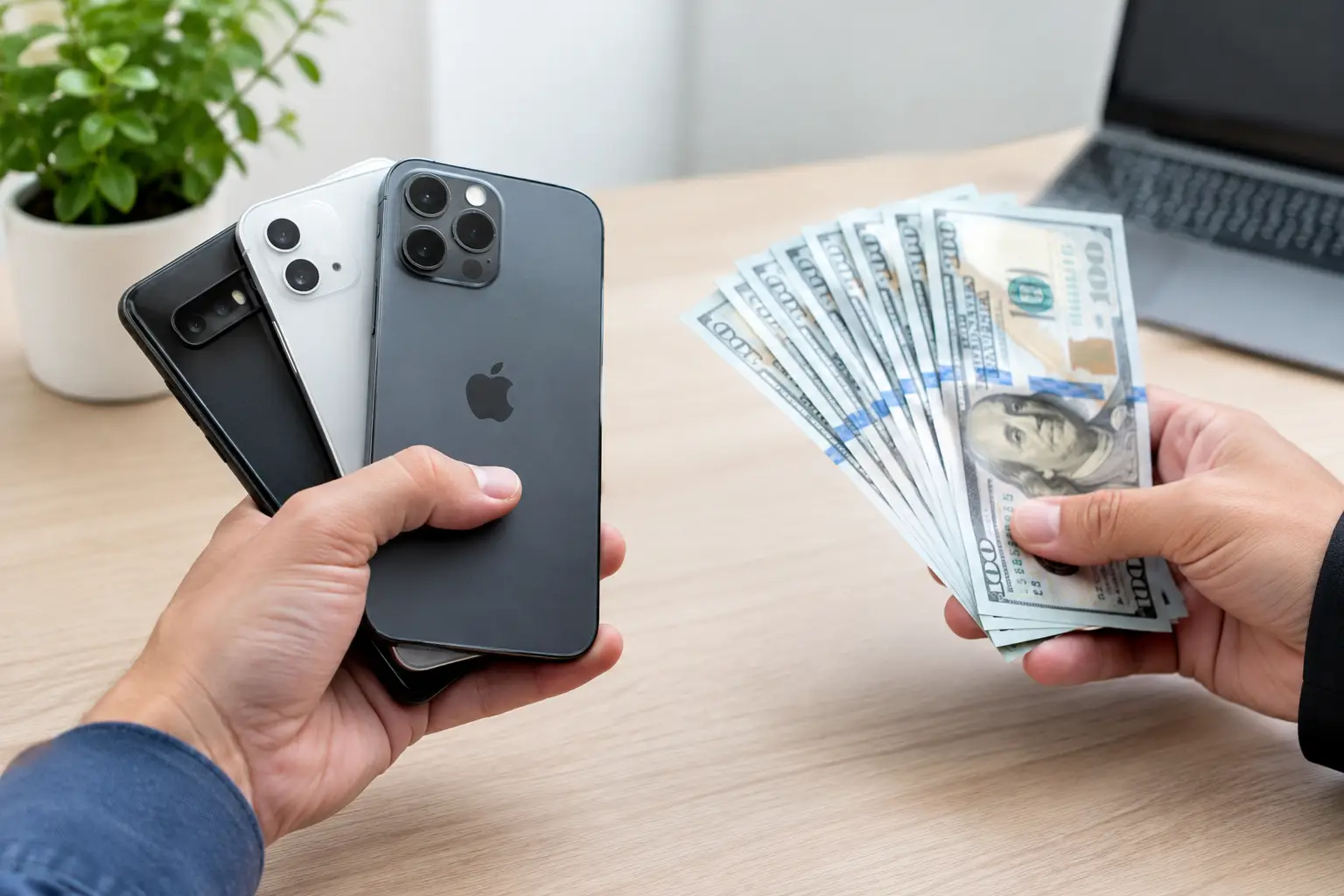
A phone sitting in a drawer is not just clutter. It may be worth cash toward your next device, a repair, or whatever you need this week. The best ways to sell phones depend on the model, condition, and how quickly you want to be paid, but a little preparation can protect your information and help you get a fair offer.
For many St. Charles and St. Louis-area residents, the easiest route is a local device buyer that can inspect the phone and pay the same day. That said, a newer phone in excellent condition may bring more through a private sale if you are willing to handle messages, meetups, and the risk that comes with them.
Best Ways to Sell Phones Based on Your Priorities
There is no single selling method that is right for every phone. Start with what matters most to you: speed, maximum price, convenience, or getting rid of a damaged device without a headache.
Sell to a local phone buyer for speed and certainty
A local electronics buyback store is often the best choice when you want an in-person quote and payment without waiting for a shipment or dealing with strangers. A technician can check the screen, cameras, charging port, battery behavior, buttons, speakers, and activation status while you are there. You know what the offer is before handing over the device.
This option is especially useful for phones with cracked glass, weak batteries, cosmetic wear, or minor functional issues. Those problems can make a private buyer hesitate, but an experienced device buyer can assess whether the phone can be repaired, refurbished, or used for parts. At Mr. Mobile, customers can bring in used and broken devices for an evaluation and same-day purchase when eligible.
The trade-off is simple: a buyback business needs room to test, refurbish, warranty, and resell a device, so the offer will usually be lower than an ideal private-party price. In return, you avoid listing fees, no-shows, payment disputes, and the time it takes to find a buyer.
Trade in through a carrier or manufacturer for convenience
Carrier and manufacturer trade-in programs can work well when you are already upgrading and prefer a credit toward the new phone. The process is familiar, and promotions may increase the value of certain recent models.
Read the terms carefully before relying on the advertised number. Some offers arrive as monthly bill credits rather than cash, may require a new service agreement, or apply only to phones in very specific condition. If you want money today or want the freedom to shop for an unlocked phone elsewhere, a trade-in credit may not be the best fit.
Sell privately when condition and resale value are strong
Private selling can bring the highest price for a current, unlocked iPhone or Samsung Galaxy in great working condition. You set the price, include accessories if you choose, and negotiate directly with the buyer.
It also requires more work. You will need clear photos, an accurate description, safe payment, and a public meeting place if selling locally. Be realistic about condition. A listing that says “like new” when the screen has deep scratches or Face ID does not work creates a bad experience for everyone and can lead to a returned device or a dispute.
Private sales make the most sense when you have time, know your phone’s condition, and are comfortable managing the transaction. If the phone is older, damaged, or carrier-locked, the extra effort may not produce enough additional value to be worthwhile.
Use mail-in selling only when timing is flexible
Mail-in buyback services are convenient for people who do not have a nearby store, but they are not always the fastest path to payment. You may need to wait for a shipping kit, send the device, and wait again for inspection. The final offer can change if the buyer finds an issue that was not included in the original condition estimate.
Before mailing a phone, photograph it from all sides, record its serial number or IMEI, and keep proof of shipment. Use a service with clear inspection standards and a return option if the revised offer does not work for you.
Prepare Your Phone Before You Sell It
The best offer is not worth much if your photos, financial apps, contacts, or account access stay on the device. Take a few minutes to prepare it correctly before you visit a buyer, meet a private customer, or ship it away.
First, back up anything you want to keep. For most people, that includes photos, messages, notes, authenticator apps, and contacts. Confirm that the backup completed, then make sure you can sign in to your new device or another computer before erasing the old one.
Next, remove your SIM card and any memory card. If the phone uses eSIM, contact your carrier or follow its instructions to transfer or deactivate service. Do not leave an active line attached to a phone you no longer own.
Then sign out of the accounts that lock the device to you. On iPhones, turn off Find My and sign out of your Apple Account before performing the factory reset. On Android phones, remove your Google account and any manufacturer account, then reset the device. Activation Lock and Factory Reset Protection are security features, but they also prevent the next owner from using the phone. A locked phone is worth less and may not be eligible for purchase at all.
After the reset, stop at the setup screen. Do not log back in. Bring a photo ID if the buyer requires it, and bring the charging cable or original box only if you have them. Accessories can help in some private sales, but the phone’s model, storage capacity, carrier status, and working condition usually have the biggest effect on value.
What Determines How Much Your Phone Is Worth?
Two phones that look nearly identical can have very different resale values. Storage size matters, as does whether the phone is unlocked or tied to a carrier. Recent models generally hold value better, but demand changes quickly when a new release arrives.
Condition matters just as much. A phone with a clean display, healthy charging port, working cameras, and no account locks will receive a stronger offer than one with a cracked screen or battery warning. Still, do not assume a broken phone has no value. Phones with damaged displays, back glass, charging issues, or water damage can retain value for repair or parts, depending on the model and the extent of the damage.
Be honest when requesting a quote. Mention cracks, dead pixels, touch problems, camera issues, battery drain, or prior repairs. Accurate details lead to a more accurate offer and a faster transaction when the device is inspected.
Get a Fair Offer Without Guesswork
Check the exact model before you sell. Go to your phone’s settings and confirm the storage size, then compare a few current offers for the same configuration and condition. Do not compare your cracked, carrier-locked device to the highest online price for a flawless unlocked version. That number is not a useful benchmark.
It also helps to decide your bottom line before you start. If you need immediate cash and a local buyer makes a fair offer after inspection, the certainty may be worth more than chasing a slightly higher number through a private listing. If the phone is pristine and you are in no rush, selling it yourself could make financial sense.
Watch for offers that sound unusually high but require you to mail the device before the buyer confirms the final amount. Clear condition standards, a straightforward inspection, and payment terms you understand are better signs than a headline price alone.
A phone is easiest to sell while it is still clean, unlocked, and fully removed from your accounts. Handle those steps before you leave home, know the condition of what you are bringing in, and choose the selling option that matches your time and comfort level. That is how an old device turns into fair cash instead of another forgotten item in a drawer.