
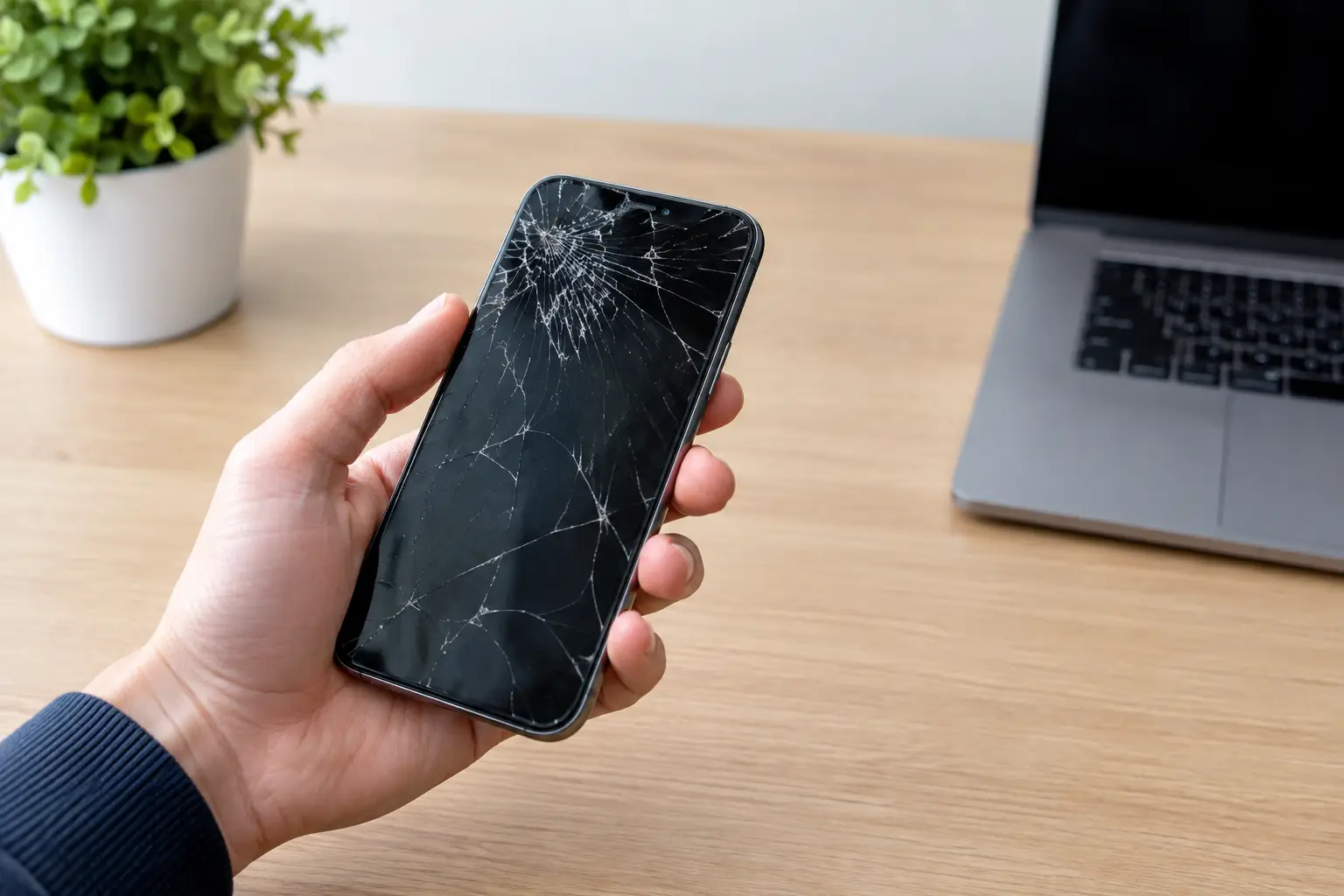
A cracked screen does not automatically mean your phone is worthless. Your broken phone value depends on what still works, the model you own, the condition of its internal parts, and whether someone can restore it without spending more than the device is worth. A phone that looks rough but powers on, charges, and has a clean screen underneath can still have real value.
For many St. Charles and St. Louis area customers, the bigger question is not simply, “Can I sell this?” It is whether repairing, trading in, or selling the phone as-is is the smartest move. The right answer depends on the damage, your budget, and how quickly you need a working device.
What Affects Broken Phone Value?
The make, model, storage size, and age of your phone set the starting point. Newer iPhones and Samsung Galaxy models generally retain more value because demand for parts and refurbished devices stays high. A recent flagship with a cracked display may still be worth substantially more than an older phone with a perfect screen.
Condition changes that starting point. Cosmetic damage, such as scratches on the frame or a cracked back glass, usually lowers the offer but does not necessarily make the phone unusable. Functional problems carry more weight. A phone that will not turn on, has water damage, will not charge, or has a failing camera may require deeper repair work before it can be resold.
The most valuable broken phones usually still have a healthy core: they power on, hold a charge, connect to Wi-Fi or cellular service, and have working cameras and buttons. Even when one major component needs replacement, those working parts can make repair or resale worthwhile.
A few details can reduce value quickly. Devices reported lost or stolen, phones with unpaid balances, and phones locked to an owner account are difficult or impossible to resell responsibly. Activation Lock on an iPhone and Factory Reset Protection on many Android phones must be removed by the owner before a buyer can fully evaluate or restore the device.
Screen Damage Is Not the Whole Story
A shattered screen is the damage most people notice first, but technicians look beyond the glass. If the display shows clear images, touch responds across the whole screen, and there are no black spots, colored lines, or flashing areas, the repair may be straightforward. That can preserve much more of the phone’s value.
On the other hand, a screen that stays black, flickers, or responds to touch on only part of the display may have damage beneath the glass. The phone can still be worth repairing or selling, but the cost and final value need to be weighed carefully.
Back glass damage is different. It may be mostly cosmetic, but on some models it can expose internal components or affect wireless charging. Bent frames, swollen batteries, and separated screens deserve prompt attention. Do not keep charging or using a phone with a swollen battery. Power it down and bring it in for an evaluation.
When Repair Usually Makes Financial Sense
Repair is often the better value when the phone is newer, the problem is limited to one or two components, and the device otherwise performs normally. Replacing a cracked screen or worn battery can cost far less than buying a comparable replacement phone, especially if you need a specific model, storage size, or unlocked device.
It also makes sense when your current phone still meets your needs. Switching phones involves more than the purchase price. You may need to move photos, apps, passwords, bank access, family accounts, and work authentication tools. A same-day repair can be less disruptive than starting over with another device.
There are times when selling or replacing the phone is the practical choice. If an older device has multiple problems – for example, charging issues, camera failure, water exposure, and a damaged display – repair costs can add up. A technician can help separate a repairable problem from a device that has reached the point where its remaining value is better used toward another phone.
Mr. Mobile offers free diagnostic evaluation, which is especially useful when you know your phone is not working but do not know why. A clear diagnosis lets you compare the repair cost with the phone’s current condition instead of guessing based on the visible damage alone.
How to Get the Best Offer for a Damaged Phone
Honesty helps you get a faster, more accurate offer. Describe the damage clearly, including whether the phone turns on, charges, has touch-screen issues, has been exposed to water, or has had previous repairs. A device that was repaired before can still be valuable, but a buyer needs to know its condition.
Before you bring in a phone to sell, back up anything you want to keep. Save photos, contacts, messages, notes, and authentication information. If the screen is damaged but the phone still works, a technician may be able to help you access your data before you erase it.
Once your data is safely backed up, sign out of your accounts and remove the device from your account list. For iPhones, turn off Find My and remove the device from your Apple Account. For Android phones, remove your Google account and turn off any screen lock only when you are ready to complete the sale. This protects your information and confirms that the next owner can activate the device.
Bring the phone itself, and bring accessories only if they are relevant and in good condition. The original box, charging cable, and receipt are nice to have, but they usually matter less than the phone’s model, functionality, and lock status. Do not spend money buying accessories just to improve a resale offer.
Repair, Sell, or Replace: Choose Based on the Real Numbers
The lowest upfront cost is not always the lowest total cost. A cheap replacement phone may have less storage, weaker battery life, a carrier restriction, or unknown repair history. A quality repair keeps you with a device you already know. A certified pre-owned unlocked phone can be a strong middle ground when your existing device is not worth fixing.
Start by asking three direct questions: What is wrong with the phone? What will it cost to repair? What is the device worth after that repair? When those numbers are clear, the decision becomes much easier.
For example, a two-year-old phone with a broken display and no other issues may be a good repair candidate. An older phone with a dead battery, damaged charging port, and water corrosion may be better sold for its remaining value and replaced. There is no one-size-fits-all answer, and a good evaluation should account for the specific device in front of you.
Do Not Let a Broken Phone Sit in a Drawer
Phones tend to lose value as newer models arrive. Leaving a damaged device in a drawer also creates a data privacy risk if it still contains personal information. If you want to repair it, sell it, or use its value toward another device, acting sooner gives you more options.
A damaged phone is not necessarily a lost cause. Get a clear diagnosis, protect your data, and compare the repair cost with the phone’s current value. That practical next step can turn a frustrating break into a working phone again or money toward the device you need next.