
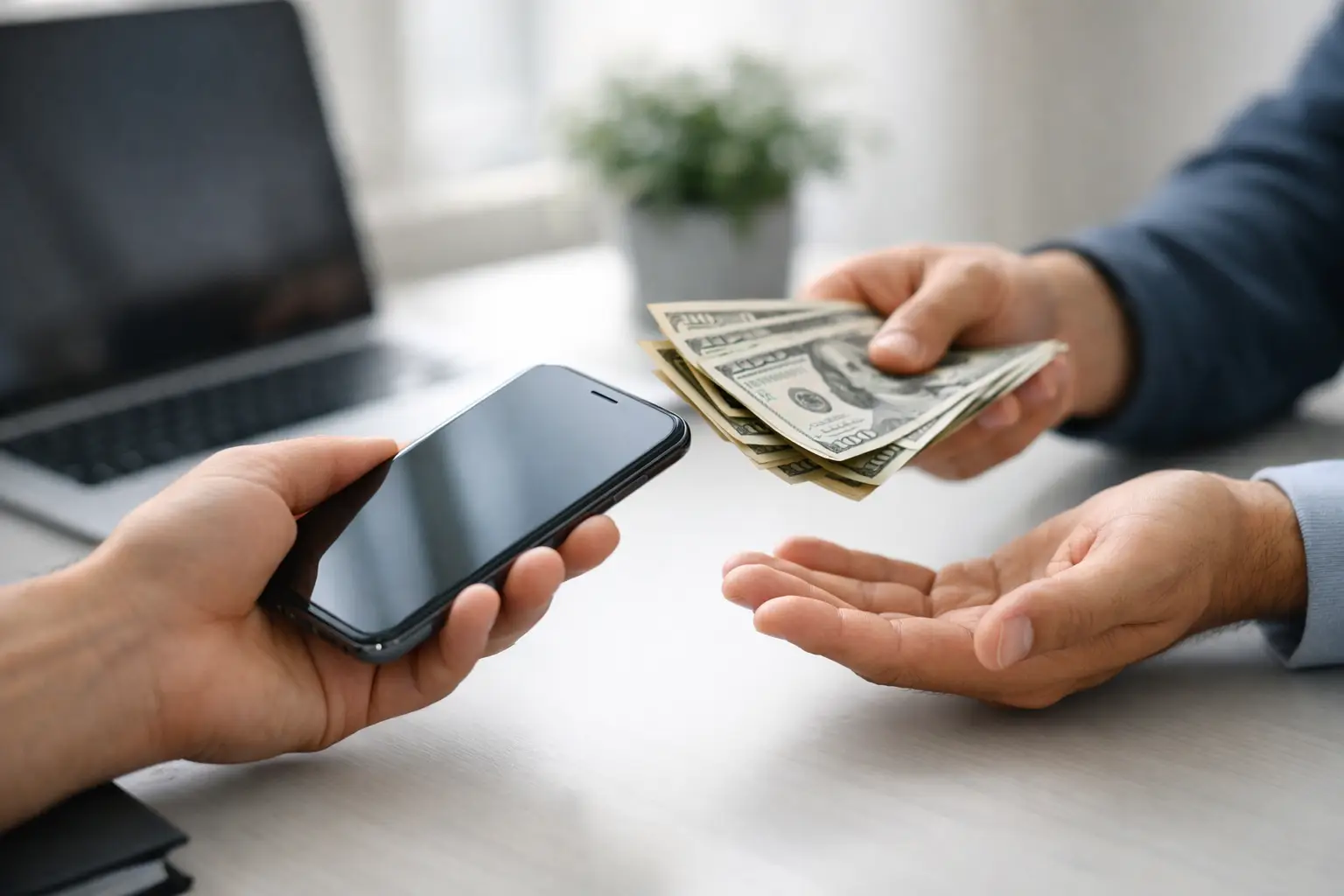
That phone sitting in a kitchen drawer may be worth more than you think. A used phone buyback gives you a practical way to turn an unused, cracked, slow, or even broken device into cash instead of letting it collect dust. For many people, it is also the simplest way to clear out old tech before upgrading, moving, or handing down a newer phone.
The key is knowing what buyers look for, what to do before you sell, and when a repair may make more sense than selling as-is. A good buyback process should be clear, quick, and based on the actual condition of your device – not a vague promise that changes when you arrive.
What Determines a Used Phone Buyback Offer?
Phone value is not based on age alone. A two-year-old flagship phone in excellent condition can still bring in meaningful cash, while a newer model with a locked account or serious internal damage may have limited resale value. The make, model, storage capacity, carrier status, condition, and current demand all affect an offer.
Apple iPhones and Samsung Galaxy phones often hold value well because they have a large resale market. Unlocked devices can be especially appealing because the next owner has more carrier options. That does not mean carrier-locked phones have no value, but it can affect the amount offered.
Physical condition matters, too. A clean phone with a working screen, healthy battery, responsive buttons, cameras, charging port, and speakers will generally receive a stronger offer. Cracked glass, dents, liquid damage, weak batteries, and display issues can lower the value, but they do not automatically make a phone worthless. Many damaged devices still have reusable components or can be restored for resale.
The most important factor is whether the phone can be legally sold and activated. A device reported lost or stolen, blocked by a carrier, or still tied to a previous owner’s account cannot be resold normally. An honest buyer should check this before completing the transaction.
Selling a Working Phone vs. a Broken Phone
If your phone works well and you no longer need it, selling it is usually straightforward. Bring the device in, have it inspected, review the offer, and receive payment once everything checks out. A local buyback option saves you from taking photos, answering messages from strangers, dealing with no-shows, or waiting for an online buyer to decide the phone was not as described.
Broken phones can still be worth selling. A cracked screen is one of the most common issues, and it may be repairable. Other problems, such as a failing battery, damaged charging port, camera issue, or back glass damage, may reduce the offer but still leave value in the device.
There is a trade-off to consider. If the phone is a desirable model and the repair is reasonably priced, fixing it before selling may increase its resale value. On the other hand, putting money into an older phone with multiple problems may not be worthwhile. A free diagnostic evaluation can help you compare the repair cost with the likely value of the phone after repair, so you can make the call with real numbers instead of guessing.
Before You Sell: Protect Your Information
Your old phone likely contains more personal information than you realize. Photos, messages, saved passwords, payment details, work email, and app logins can remain on a device even after you stop using it. Taking a few minutes to prepare it protects your privacy and helps prevent delays during the buyback process.
First, back up anything you want to keep. For iPhones, make sure your photos, contacts, notes, and messages have synced to your preferred backup method. Android users should confirm their Google account backup is current. If you are moving to another phone, transfer your information before erasing the old one.
Next, sign out of your accounts and remove activation locks. On an iPhone, this means turning off Find My iPhone and signing out of your Apple Account. On an Android phone, remove your Google account and disable any device protection features. These steps matter because a reset alone may not remove the activation lock.
After that, erase the phone using its built-in factory reset option. Remove the physical SIM card if your device has one, and keep any personal accessories unless you plan to include them. A charger, original box, or case may be useful, but the phone itself and its condition are the main drivers of value.
How the Phone Buyback Process Should Work
A reliable used phone buyback should feel simple. You should not have to ship a phone away and hope the final offer matches the estimate, or meet an unfamiliar buyer in a parking lot with cash in hand.
At Mr. Mobile, the process begins with an evaluation of the device’s model, condition, functionality, and activation status. Technicians check the screen, cameras, buttons, charging ability, battery behavior, and other essential functions. If there is an issue you did not know about, you can get a clear explanation rather than a confusing adjustment with no details.
Once the phone is evaluated, you receive an offer based on its current condition. If you accept, payment can happen the same day. That speed is useful when you are upgrading, cleaning out old devices for the family, or simply ready to get value from electronics you no longer use.
For St. Charles and greater St. Louis residents, selling locally also gives you a real person to talk with if you have questions about resetting the phone, removing an account, or deciding whether a repair is worth it first.
Common Reasons a Buyback Offer Changes
A fair offer should be based on an inspection, so the final amount can differ from what someone expected. Usually, the reason comes down to a condition issue that was not visible at first glance.
A screen may look fine but have dead touch areas. The phone may charge only at a certain angle, have a swollen battery, show signs of liquid exposure, or have cameras that will not focus. Some phones also have aftermarket parts installed from a prior repair. These are not necessarily deal-breakers, but they can affect resale value and the work needed to prepare the phone for its next owner.
Account locks and carrier blocks are the bigger concern. If Find My iPhone remains active, or an Android device is still connected to a Google account, the buyer cannot complete a normal resale. Bring your account password if you are unsure how to remove the lock. Handling it while you are at the store is faster than taking the phone home and starting over.
Should You Sell, Repair, or Keep It as a Backup?
The right choice depends on the phone’s age, condition, and your plans. Selling makes sense when the phone is no longer needed and still has market value. Repairing makes sense when the device is otherwise dependable and a targeted fix costs far less than replacing it. Keeping it as a backup can be smart if you travel often, have a child who may need an emergency phone, or want a spare during a future repair.
Think about the full cost, not just the immediate cash offer. If your current phone has a cracked screen but works perfectly, repairing it may give you another year or two of use. If it has a cracked screen, battery trouble, charging problems, and an outdated operating system, selling it as-is may be the better move.
It also helps to act sooner rather than later. Phone values generally decline as newer models arrive, and a device that sits unused for another year may lose more value than expected. If you know you are done with it, get it checked while it is still current enough to matter.
An old phone does not need to be perfect to be useful. Bring it in charged if possible, know your account passwords, and let an experienced technician take a look. Whether the best next step is cash, a repair, or a dependable backup device, you will have a clearer answer before that phone disappears back into the drawer.