
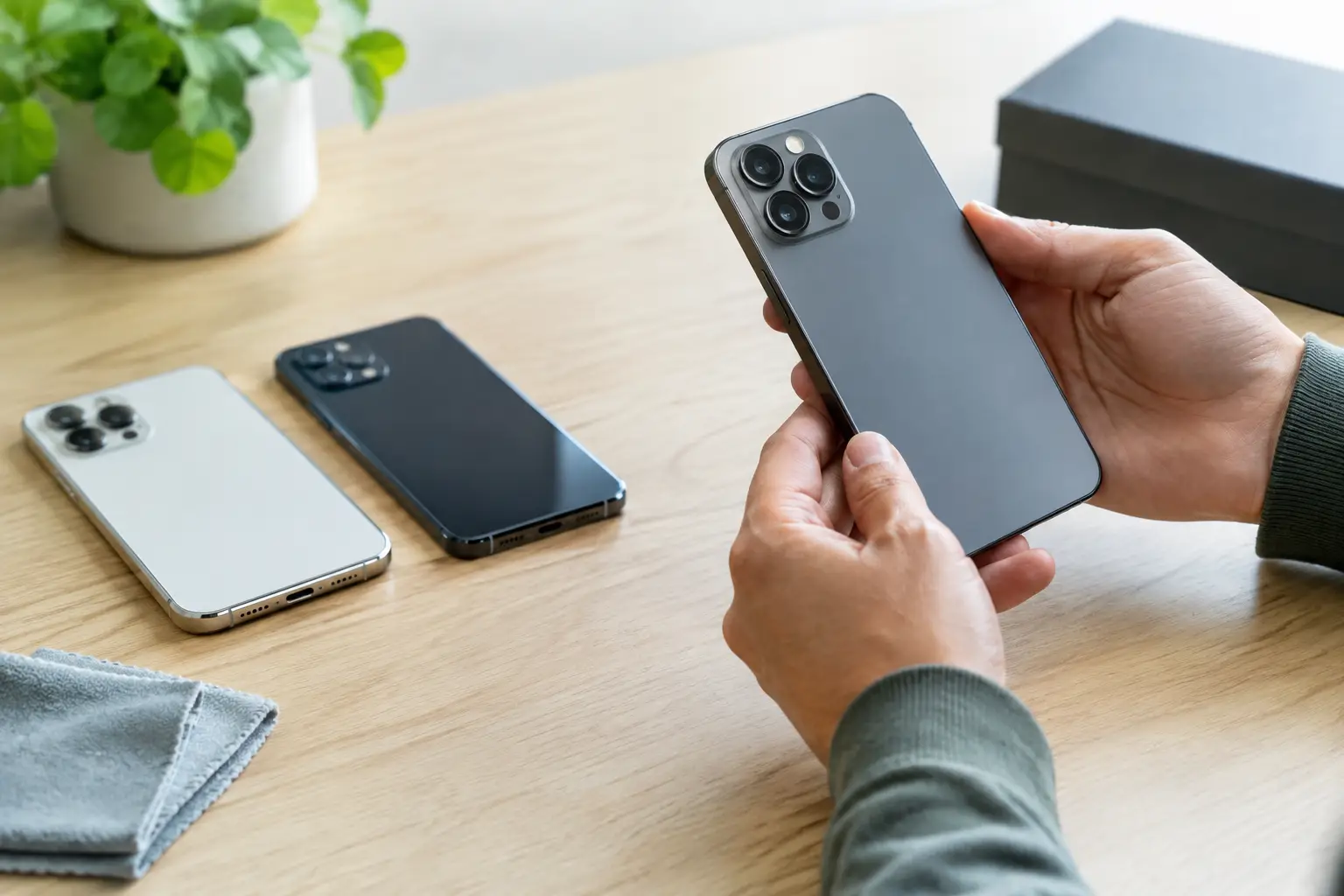
A lower price is only a good deal when you know what you are getting. Refurbished phone grades are meant to describe a device’s cosmetic condition, but those labels can vary from one seller to the next. A Grade A iPhone from one store may not look exactly like a Grade A iPhone from another. The key is knowing what the grade covers, what it does not cover, and which condition makes sense for the way you use your phone.
For most shoppers, a refurbished phone offers a practical way to get a reliable, unlocked device without paying new-phone prices. Whether you need a dependable phone for work, a first phone for a student, or a replacement after a damaged device, condition matters. It affects the price, the appearance, and sometimes your expectations – but it should not affect whether the phone works properly.
What Refurbished Phone Grades Actually Mean
Phone grades generally describe cosmetic wear. They are usually not a measure of performance, storage capacity, carrier compatibility, or battery condition unless the seller says so clearly. A properly refurbished device should be tested for core functions at every grade: calling, charging, cameras, speakers, microphones, buttons, Wi-Fi, Bluetooth, touchscreen response, and biometric features when applicable.
The most common labels are Grade A, Grade B, and Grade C. You may also see terms such as like new, excellent, good, fair, or premium. These descriptions are helpful starting points, not an industry-wide rulebook. That is why a clear inspection standard and warranty matter more than a letter alone.
Grade A: Minimal Signs of Previous Use
A Grade A refurbished phone is typically the best cosmetic option below a brand-new device. It should have little to no noticeable wear at normal viewing distance. You might find a tiny mark, light handling wear, or a very faint scratch if you look closely under bright light, but the phone should present very cleanly.
This is often the right choice for someone who wants a phone that looks nearly new, plans to give it as a gift, or simply prefers a cleaner finish. It also tends to carry the highest refurbished price. If you put every phone in a protective case and screen protector on day one, paying extra for Grade A may or may not be worth it.
Grade B: Visible Wear, Reliable Daily Use
Grade B phones have noticeable but moderate cosmetic wear. Expect light scratches on the screen or housing, small scuffs around the frame, or minor finish wear. The device should still be structurally sound, fully functional, and free of damage that interferes with normal use.
For many buyers, Grade B is the sweet spot. You save money compared with a cleaner-looking device while getting the same model, performance, and everyday functionality. Once the phone is in a case, much of the cosmetic wear may not be visible anyway.
Grade C: More Wear and the Lowest Price
Grade C devices show heavier cosmetic use. That can include deeper scratches, more obvious scuffs, dents that do not affect operation, or visible wear around ports and edges. A Grade C phone should still be functional if it is being sold as refurbished, but it will not be the best fit for someone who expects a polished, like-new appearance.
This grade is often a smart option for budget-focused shoppers, younger users, backup phones, or work devices that are likely to take a beating. The trade-off is simple: you accept a more-used appearance in exchange for a lower price.
Cosmetic Grade Is Not the Same as Phone Health
A clean-looking phone can still have hidden issues if it has not been properly inspected. On the other hand, a phone with visible scuffs can perform just as well as a cleaner device. That is why the refurbishment process matters more than the grade label.
Before a refurbished phone is ready for sale, a qualified technician should check the screen, battery behavior, charging port, cameras, connectivity, microphones, speakers, buttons, sensors, and software functions. The device should also be cleared of the previous owner’s information and checked to make sure it is not activation locked.
Battery health deserves special attention, especially with used iPhones. Cosmetic grades do not automatically tell you battery capacity. Some sellers install a replacement battery when needed, while others sell devices with the existing battery as long as it passes their standard. Ask how battery condition is evaluated and whether battery health information is available for the specific phone you are considering.
The same goes for repairs. A refurbished phone may have received a screen, battery, camera, or charging-port repair. That is not automatically a concern. A quality repair using appropriate parts and careful testing can extend the usable life of a device significantly. What matters is transparency, workmanship, and warranty coverage.
How to Compare Refurbished Phone Grades Before You Buy
Start by deciding what matters most to you: the lowest price, the cleanest appearance, or a balance of both. Then compare phones of the same model, storage size, and carrier status. A Grade A 128GB unlocked iPhone is not a direct comparison to a Grade B 64GB carrier-locked version, even if the listing price is close.
Ask for a plain-language description of the exact device condition. Good sellers can tell you whether scratches are limited to the frame, whether the screen has visible marks, and whether there are dents or chips. Stock photos can show the model, but they do not always show the condition of the phone in your hand.
It also helps to confirm what comes with the purchase. A charging cable, wall adapter, protective accessories, or setup support can add real value, especially if you are replacing a phone quickly. More importantly, check the warranty terms. A warranty does not prevent every problem, but it gives you a clear path forward if something is not right after purchase.
Which Grade Should You Choose?
Choose Grade A if appearance is a top priority and you want the closest experience to buying new without the full new-device price. It is a strong choice for gifts, professional settings, or anyone who notices every scratch.
Choose Grade B if you want the best balance of savings and condition. Most people who use a case, carry their phone daily, and care more about performance than minor cosmetic marks will be happy here.
Choose Grade C if the price matters most and you can live with visible signs of use. It can be an especially sensible option for a child, a spare device, or a phone that will spend its life in a rugged case.
No matter which grade you select, do not accept cracked glass, lifting screens, loose parts, charging problems, or unclear functionality as normal refurbished wear. Scratches are cosmetic. Damage that affects safety, durability, or daily operation is different.
A Better Way to Shop Refurbished
The best refurbished purchase is not always the lowest-priced listing. It is the phone that fits your needs, has been properly checked, and comes from someone willing to stand behind it. Look for clear condition descriptions, tested functionality, unlocked compatibility if you need carrier flexibility, and support from a real person when questions come up.
At Mr. Mobile, the goal is straightforward: help you leave with a working phone that makes sense for your budget. A trained team can help you compare models and condition levels, transfer your information, and avoid paying for a grade that does not add value for you.
A few light scratches may be easy to overlook after a week of use. A phone that has been inspected, functions properly, and fits your life is the part you will appreciate every day.