
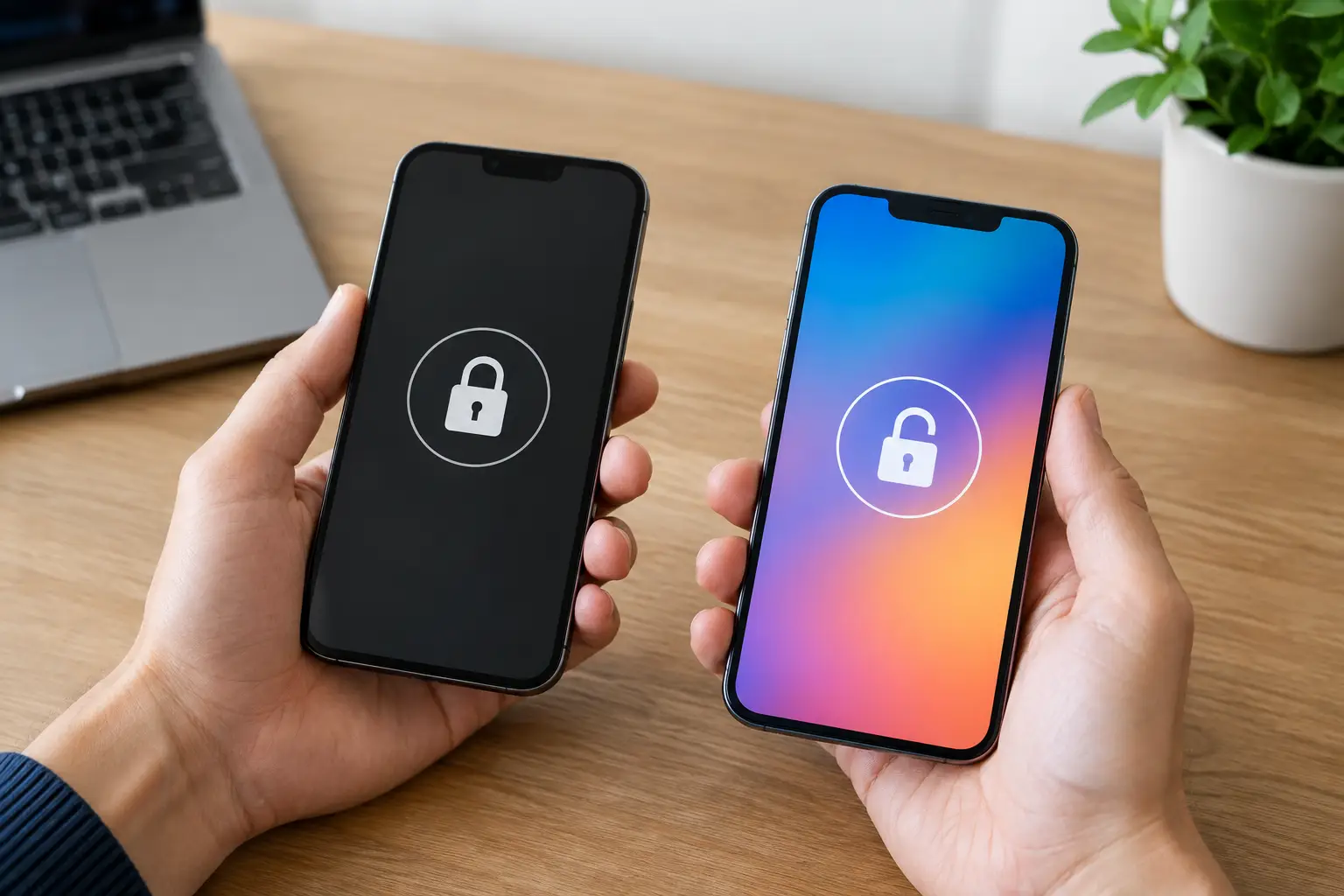
A phone can look like a great deal until you try to activate it on your preferred network. That is why carrier locked versus unlocked phones is more than a technical detail. It affects which plan you can use, what happens when you travel, how easily you can resell the device, and whether a low purchase price stays low after you get home.
For most shoppers, an unlocked phone offers more flexibility. A carrier-locked phone can still be the right choice when the pricing is strong and you know you will stay with that carrier. The smart move is knowing the difference before money changes hands.
What Is a Carrier-Locked Phone?
A carrier-locked phone is programmed to work only with a specific cellular provider, at least for a set period. Carriers commonly sell these devices with installment plans, promotional credits, or discounted pricing. The lock helps ensure the phone remains active on the network connected to that agreement.
For example, a phone purchased through Verizon may work on Verizon but reject a SIM card or eSIM activation from another provider. The exact rules vary by carrier, device, payment status, and account history. Some carriers remove the restriction automatically after a waiting period, while others require the phone to be paid off and the account to be in good standing.
A locked phone is not necessarily a bad phone. Its camera, battery health, storage, and screen may be excellent. The limitation is simply that your carrier choices are narrower.
What Is an Unlocked Phone?
An unlocked phone is not restricted to one carrier. Provided the device supports the network’s technology and bands, you can activate it with a compatible carrier using a physical SIM card or eSIM.
That freedom matters when you find a better plan, move to an area with different coverage, or need a prepaid line. It is also valuable for frequent travelers who may want to use a local service plan rather than pay high international roaming charges.
There is one practical catch: unlocked does not mean universally compatible. An unlocked phone still needs to support the carrier’s network, including its 4G and 5G bands, calling features, and eSIM requirements. Most recent iPhones and major Samsung Galaxy models work well across large U.S. networks, but it is still worth checking compatibility before buying.
Carrier Locked Versus Unlocked Phones: The Differences That Matter
The biggest difference is flexibility, but several everyday factors should influence your decision.
Switching carriers
With an unlocked phone, switching providers is usually straightforward once you have chosen a compatible plan. You can keep your device instead of buying another one just because you changed service.
With a locked device, you may have to wait until the carrier’s eligibility requirements are met. If you are financing the phone, an outstanding balance can keep it tied to the original carrier. That can be frustrating if coverage changes at home, work, or school.
Purchase price and promotions
Carrier-locked phones often come with appealing deals. A carrier may offer trade-in credits, reduced monthly payments, or a deeply discounted device when you commit to a qualifying plan. If you already like that carrier and expect to remain with it for the full promotion period, the offer may make financial sense.
The fine print matters. Many promotions deliver credits over 24 or 36 months. Leaving early can mean losing remaining credits or owing the unpaid device balance. An unlocked phone may cost more upfront, but it gives you more control over where you take your service later.
Resale and trade-in value
Unlocked devices generally appeal to more buyers because they can be used on more networks. That wider demand can improve resale value, especially for popular models in clean condition.
A carrier-locked phone is often worth less on the used market because the buyer must use the same carrier or qualify to have the restriction removed. If you are selling a phone, clearly stating its carrier status prevents confusion and helps the sale go smoothly.
Travel and backup service
An unlocked phone is particularly useful for travel. Depending on the model and destination, you may be able to add a local physical SIM or eSIM for data and calls. This can be less expensive than relying on an international carrier pass.
It also makes a good backup device for a family member. An unlocked phone can be activated on a low-cost prepaid plan when a primary phone is being repaired, replaced, or temporarily out of service.
How to Check Whether a Phone Is Locked
Do not rely only on the seller’s description. Check the device itself and verify its status before completing a private sale.
On many iPhones, open Settings, then General, then About. Look for Carrier Lock. If it says “No SIM restrictions,” the phone is generally unlocked. On Android phones, the menu path can vary by manufacturer. Settings may show the current network or SIM status, but a carrier compatibility check is often the clearest confirmation.
You can also test the phone with a SIM from another carrier, if appropriate, or ask the seller for the IMEI number and check compatibility with the carrier you plan to use. Be cautious if a seller refuses to provide basic device information.
Carrier status is only one part of the check. Before purchasing a used phone, confirm that it is not reported lost or stolen, that it is not tied to an unpaid account balance, and that activation lock or Google account protection has been removed. A phone may be unlocked and still be unusable if it has been blacklisted or remains linked to someone else’s account.
When a Locked Phone Is the Better Buy
A locked phone can be a sensible choice when the price is clearly lower, the phone is in good shape, and you already use that carrier. It can also work well for a child or family member who will stay on an existing family plan.
The key is to avoid treating a locked device as a bargain if it forces you into service you do not want. A $100 savings can disappear quickly if you later need to buy another phone to switch carriers. Ask yourself how likely you are to change plans in the next year or two, not just whether the deal looks good today.
When Unlocked Is Worth Paying For
Choose an unlocked phone when flexibility has real value to you. That includes people comparing prepaid plans, families with different carriers, travelers, and shoppers who expect to resell their device later. It is also a strong option when you buy a certified pre-owned phone rather than signing a long carrier agreement.
For a budget-conscious buyer, an unlocked refurbished device can be a practical middle ground. You avoid the highest new-phone price while retaining the freedom to choose service. Condition, battery performance, warranty coverage, and carrier compatibility still matter, so buy from a seller that inspects devices and stands behind them.
At Mr. Mobile, shoppers looking for pre-owned phones can get help confirming a device’s condition, carrier status, and setup options before leaving with it. That is especially helpful when you need a replacement quickly and do not want surprises at activation.
A Few Questions to Ask Before You Buy
Before you commit, ask whether the phone is locked, which carrier it is tied to, and whether it is fully paid off. Confirm the exact model number, not just the model name, because regional versions can differ in network support. If you use eSIM, verify that the phone supports your intended carrier’s eSIM activation process.
Also ask about the return policy. Activation problems are easier to solve when you have a clear path to return or exchange a device that turns out not to fit your needs. Keep the receipt and record the IMEI after purchase.
The best phone is not simply the newest one or the cheapest one. It is the device that works reliably on the service you want, fits your budget, and leaves you with options when your needs change.