
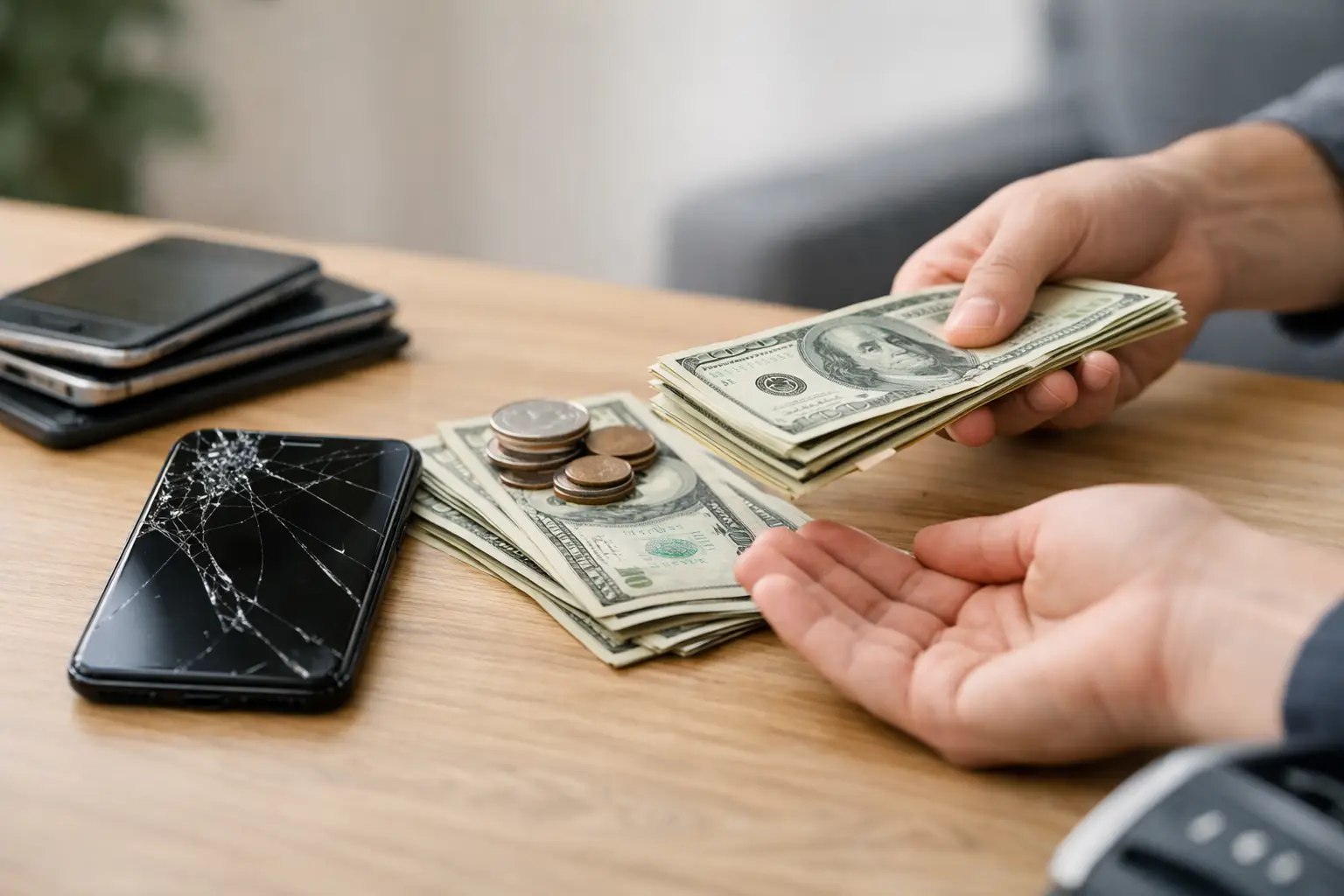
That phone with the cracked screen, weak battery, charging issue, or black display may still be worth money. If you want to sell broken phone for cash, the best move is not to guess based on how damaged it looks. A newer device with a shattered screen can have strong resale value, while an older phone that powers on perfectly may be worth less than expected. The model, storage size, carrier status, damage, and current demand all matter.
For people around St. Charles and greater St. Louis, selling a damaged phone can be a quick way to clear out a drawer, put money toward an upgrade, or avoid paying for a repair that no longer makes sense. The key is knowing what buyers look for and preparing your device correctly before you hand it over.
What Determines Whether a Broken Phone Has Value?
A broken phone is not automatically a worthless phone. In fact, many devices are purchased for refurbishment, parts recovery, or repair and resale. iPhones and Samsung Galaxy phones often retain value after damage because replacement parts are available and demand remains high.
The biggest factor is the exact model. A recent iPhone with a broken screen is generally more valuable than a much older phone with the same problem. Storage capacity can also affect the offer, especially on newer premium models. Phones with higher storage are often easier to resell after repair.
Condition matters, but not in the simple way most people assume. A cracked screen is usually a known, repairable issue. A phone with water damage, a bent frame, no power, or motherboard trouble carries more risk for a buyer. It may still have value, but the offer will reflect the extra diagnostic work and the possibility that more than one component has failed.
Your phone’s status matters, too. A device that is paid off, not reported lost or stolen, and removed from all account locks is much easier to buy and resell. A phone locked to an account may have little to no resale value, even if it looks nearly new.
Repair It First or Sell It as Is?
This decision comes down to the repair cost, the phone’s age, and what you want out of the transaction. If your phone only needs a screen replacement, battery replacement, or charging port repair, fixing it may increase its resale value. It may also be the lower-cost option if you would rather keep using the device than replace it.
But repair is not always the right answer. If the phone has several issues, is an older model, or needs a costly board-level repair, selling it as is can be more practical. You avoid putting more money into a device that may have limited value after the work is done.
A free diagnostic is useful when you are not sure what failed. What looks like a dead phone could be a battery or charging issue. What looks like a simple screen problem could involve display damage, frame damage, or liquid exposure. A technician can help you compare the likely repair cost against the amount you could receive by selling the phone in its current condition.
There is no one answer for every device. The smart choice is the one that gives you the best value without unnecessary spending or downtime.
How to Sell a Broken Phone for Cash Safely
Before you sell, take a few minutes to protect your information. Your phone likely contains saved passwords, photos, messages, banking apps, work accounts, and personal documents. A proper reset is not just a nice extra step. It is essential.
First, back up anything you want to keep. Use your preferred cloud backup, transfer files to a computer, or move photos and contacts to your new device. If the screen does not work but the phone still turns on, a repair shop may be able to help determine whether data recovery or a temporary screen repair is possible.
Next, sign out of your accounts and turn off device-tracking features. On an iPhone, this means removing the device from your Apple Account and disabling Find My. On many Android devices, you will need to remove your Google account and disable factory reset protection. These locks are designed to keep stolen phones from being reused, so they must be cleared by the legitimate owner before a buyer can process the device.
Then perform a factory reset if the phone is functional enough to do so. Remove the physical SIM card and any memory card before you bring it in. If you have an eSIM, check with your carrier or follow its instructions to transfer the line to your replacement phone.
Finally, bring the phone as it is. You do not need the original box, charger, or accessories to get an offer, although included accessories can sometimes help. Do bring a valid photo ID if required for the transaction. Legitimate electronics buyers document purchases to help prevent theft and protect everyone involved.
Be Honest About the Damage
A fair offer starts with an accurate description. Say whether the phone powers on, charges, has touch response, connects to Wi-Fi, takes calls, or has visible water damage. Mention problems with the camera, Face ID, fingerprint reader, speakers, buttons, or battery life.
This is not about making your device sound worse than it is. It is about avoiding surprises that can change an estimate after inspection. A clear description helps a technician evaluate the phone faster and gives you a more realistic expectation before you arrive.
For example, “the screen is cracked but everything works” is different from “the screen is black and the phone vibrates when plugged in.” Both phones may be repairable and valuable, but the repair path is different. Details help.
Why an In-Person Evaluation Can Be Better Than an Online Estimate
Mail-in and online quotes can be convenient, especially if you are far from a store. The trade-off is that the final value may change after the device is inspected. Photos do not always reveal bent housings, hidden screen damage, liquid indicators, aftermarket parts, or account locks.
An in-person evaluation lets someone check the device directly. You can ask questions, understand what affects the offer, and decide on the spot whether selling, repairing, or keeping the phone makes the most sense. For many people, immediate payment is also more useful than waiting through shipping, processing, and payment delays.
At Mr. Mobile, device evaluations are handled with the same practical approach used for repairs: identify the condition accurately, explain the options clearly, and help you move forward without wasting time. If your phone is worth repairing before you sell, you should know that. If selling it as is is the better call, you should know that too.
Common Mistakes That Can Cost You Money
The most expensive mistake is forgetting to remove an account lock. A locked device can delay the sale or prevent it entirely. Take care of this before you leave home, and make sure you know the password for the account connected to the phone.
Another mistake is assuming cosmetic damage tells the whole story. A cracked back glass may look severe but have little effect on basic operation. On the other hand, a small amount of liquid damage can create unpredictable issues later. Let the device be checked rather than relying on appearance alone.
It also helps to avoid rushing into a repair just because the phone is broken. Ask what the repair will cost and what the phone would be worth afterward. If the difference is small, selling the device as is may leave you better off. If a quick repair substantially improves its value or lets you keep a phone you otherwise like, the repair may be money well spent.
Turn an Unused Device Into Your Next Step
A broken phone does not have to sit in a drawer until it becomes obsolete. Whether it has a damaged screen, failing battery, charging trouble, or no power at all, it may still be useful to someone and valuable to you. Bring it in for an honest evaluation, protect your data first, and make the choice that fits your budget. A device that no longer works for your day can still help pay for what comes next.